
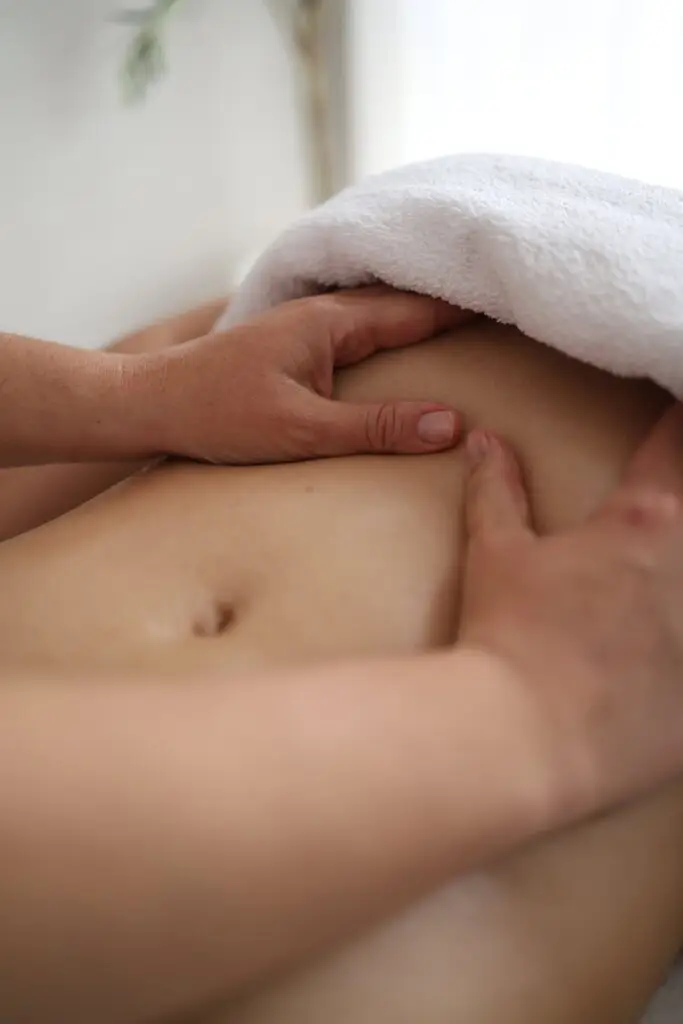
If you’ve been curious about lymphatic drainage but aren’t quite sure what it is, or what actually happens when you book, this guide is for you. Here’s a simple introduction to your lymphatic system, and what to expect from your first FLOWTOX™ session at our studio in Turner, Canberra.
Your lymphatic system, simply explained
Your lymphatic system is a quiet network of fine vessels and nodes that runs throughout your body, alongside your blood vessels. It collects excess fluid from your tissues and returns it to your circulation, and it plays an important role in your immune system.
Unlike your circulatory system, it has no heart to pump it. Lymph relies on movement, breath and muscle contraction to keep it flowing. Long hours sitting, travel, stress, hormonal changes or simply moving less than usual can all slow that flow down. Many people notice it as puffiness, heavy legs, a bloated middle or a general sluggish feeling.
What is lymphatic drainage massage?
Manual lymphatic drainage (MLD) is a slow, rhythmic massage that follows the natural pathways of your lymphatic system. Rather than working deep into the muscle, it uses skin pulls and friction to encourage fluid to move towards your lymph nodes.
FLOWTOX™ is our signature approach to lymphatic drainage, developed at KUYU Body. Alongside the lymphatic work, we also work with the fascia, the connective tissue just beneath the skin, to help it release. It’s more hands-on and dynamic than many people expect, blending rhythmic, sculpting movement with the precise, sequenced approach of clinical lymphatic drainage, but it never goes deep. Every session is shaped around you, with extra time on the areas where you hold the most fluid or heaviness.
What happens in your first session
- A conversation first. We’ll ask about your health, how you’re feeling and what you’d like to focus on. If you’re under the care of a doctor or specialist, let us know.
- Settling in. You’ll lie comfortably on the treatment table, covered with warm towels, in a calm, quiet room.
- The treatment. We begin by gently activating key lymph node areas, then work through the body with slow, rhythmic strokes. The work stays in the skin and fascia rather than deep in the muscle, and most people find the steady rhythm deeply calming.
- Afterwards. We’ll share simple aftercare: hydration with minerals, gentle movement and a little rest.
How might you feel afterwards?
Everyone is different, but clients often tell us they feel lighter, less puffy and deeply relaxed. Some notice they need the bathroom more often after a session, and many say they sleep beautifully that night. Because the strokes are slow and rhythmic, lymphatic drainage can also help your nervous system switch off and rest.
How often should you come?
A single session is a lovely place to start. If you’re working on ongoing puffiness or fluid retention, a short series of weekly sessions tends to feel most effective, followed by a monthly session to keep your flow going. Our FLOWTOX™ packs and Maintain membership are designed for exactly that.
Is lymphatic drainage right for you?
Lymphatic drainage suits most people, but it isn’t recommended with some conditions, such as an active infection or fever, a known or suspected blood clot, or certain heart or kidney conditions. If you’re unsure, please check with your GP first and let us know when you book.
Ready to feel the difference? Book your first FLOWTOX™ session, or get in touch if you’d like to talk first.